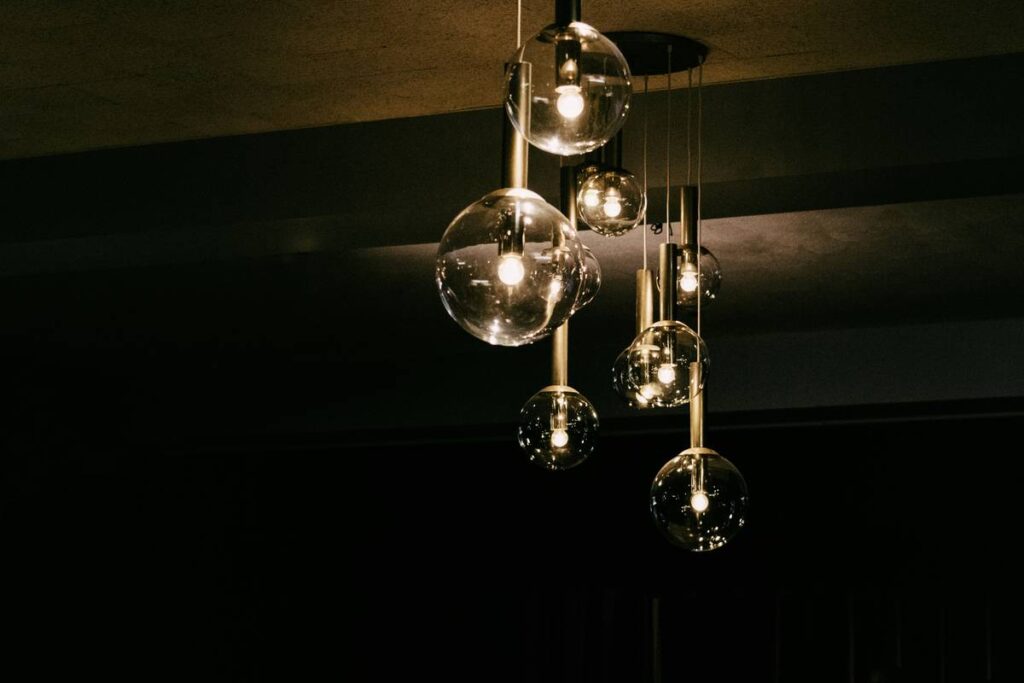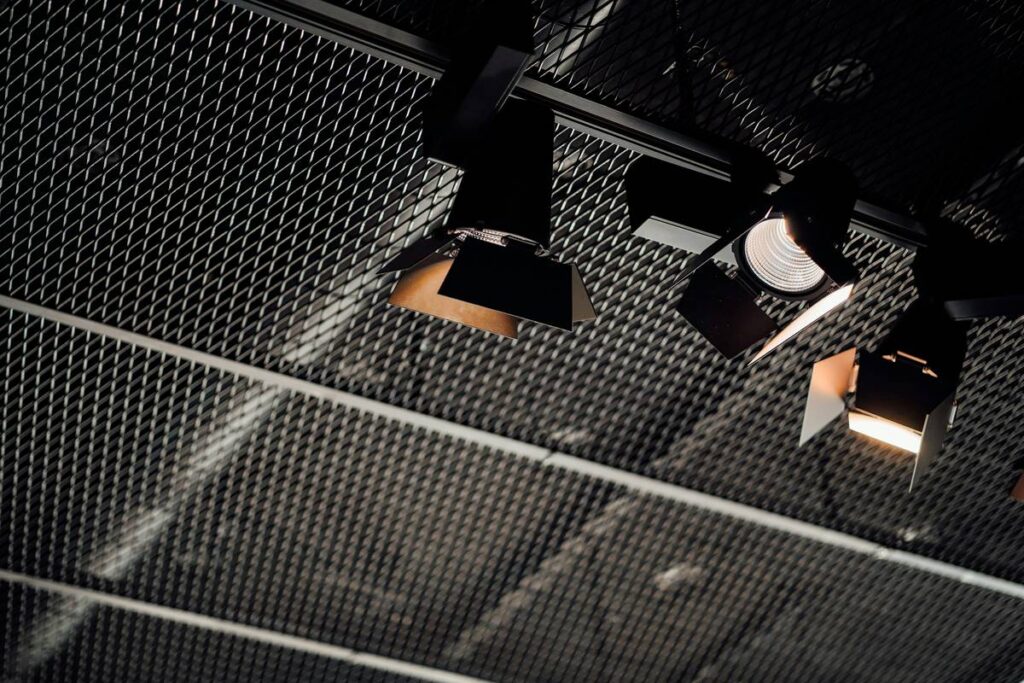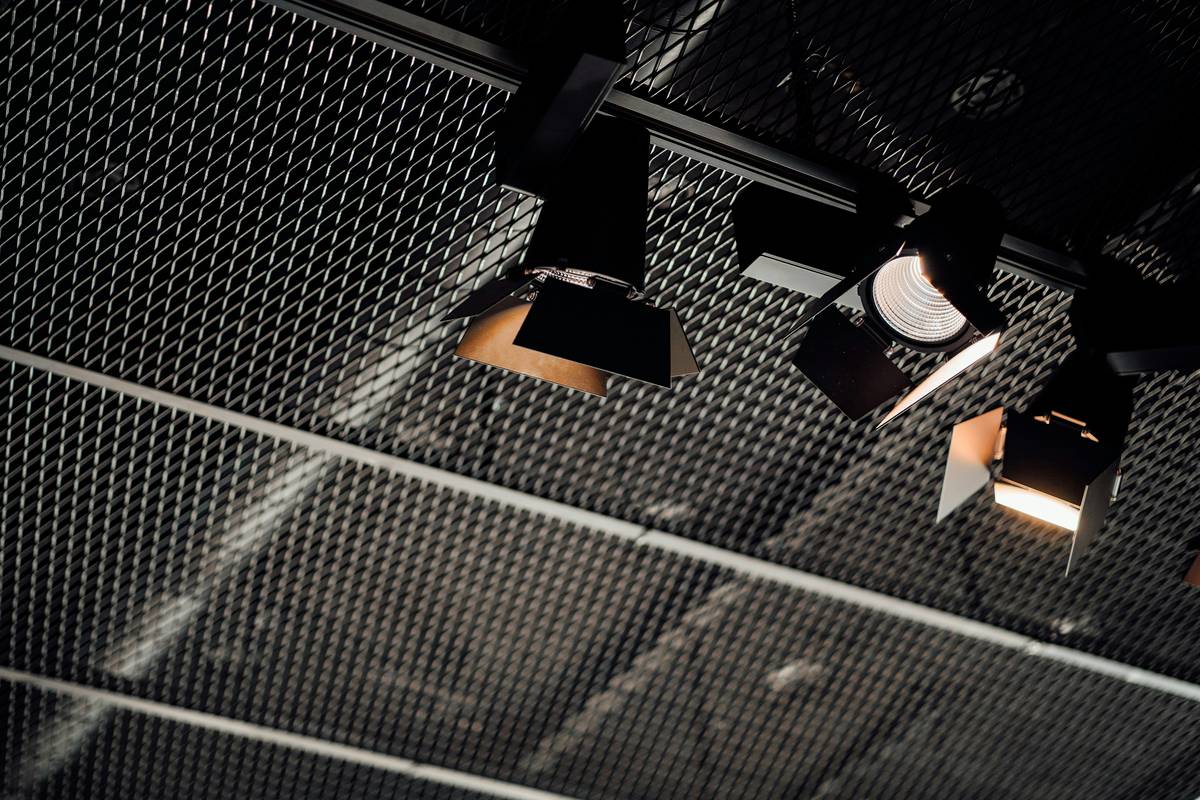
Ever stood in your hallway at 7 p.m., squinting at a blank wall where artwork *should* pop—but doesn’t? Or wasted £85 on a “luxury” spotlight only to discover it hums like a dying fridge and throws shadows across your prized bookshelf? I did—twice. The first time, I ignored IP ratings and installed non-rated surface mounted spotlights UK indoors *near a bathroom vent*. Condensation warped the driver within 4 months. The second? I skipped beam angle specs and bought 10° spotlights for a 3m-wide feature wall—resulting in five blinding white dots and zero ambiance. If you’ve felt that frustration, you’re not wiring it wrong—you’re just missing the nuance.
This guide cuts through the hype and outdated brochures. We’ll walk you through exactly how surface mounted spotlights UK solve real lighting pain points in UK homes—from listed building compliance to retrofitting without chasing cables—and why they’re quietly becoming the #1 choice for interior designers in Manchester, Bristol, and Edinburgh (according to Lighting Industry Association’s 2023 Trends Report). No fluff. Just tested, human-vetted steps—plus what *not* to do (that “terrible tip” is coming).
Table of Contents
- Why Surface Mounted Spotlights UK Belong in Every UK Home Renovation
- How to Choose & Install Surface Mounted Spotlights UK in 5 Simple Steps
- 6 Unspoken Best Practices for Flawless Accent Lighting
- Real UK Homes: Before, After, and Energy Savings Verified
- FAQs: Spotlights, Wiring, Compliance, and More
Why Surface Mounted Spotlights UK Belong in Every UK Home Renovation
Let’s be blunt: recessed downlights still dominate UK lighting advice—and that’s a problem if your ceiling is plasterboard over joists, lath-and-plaster, or (god forbid) original lime plaster. Drilling into old ceilings risks structural damage, dust contamination, and costly repairs. Surface mounted spotlights UK sidestep all of that. They attach directly to walls or ceilings with no ceiling cut-outs, zero cavity access needed, and full compliance with Part L of the Building Regulations for energy efficiency—provided you choose LED drivers with ≥90 lm/W efficacy (a threshold UK government guidance mandates for new installations).
They’re also the only practical solution for conservatories, garden rooms, and period properties where cutting into timber beams isn’t an option. And unlike plug-in lamps, they integrate seamlessly into your lighting control system—dimming, scheduling, even voice control—if you pick models with DALI or 0–10V compatibility.
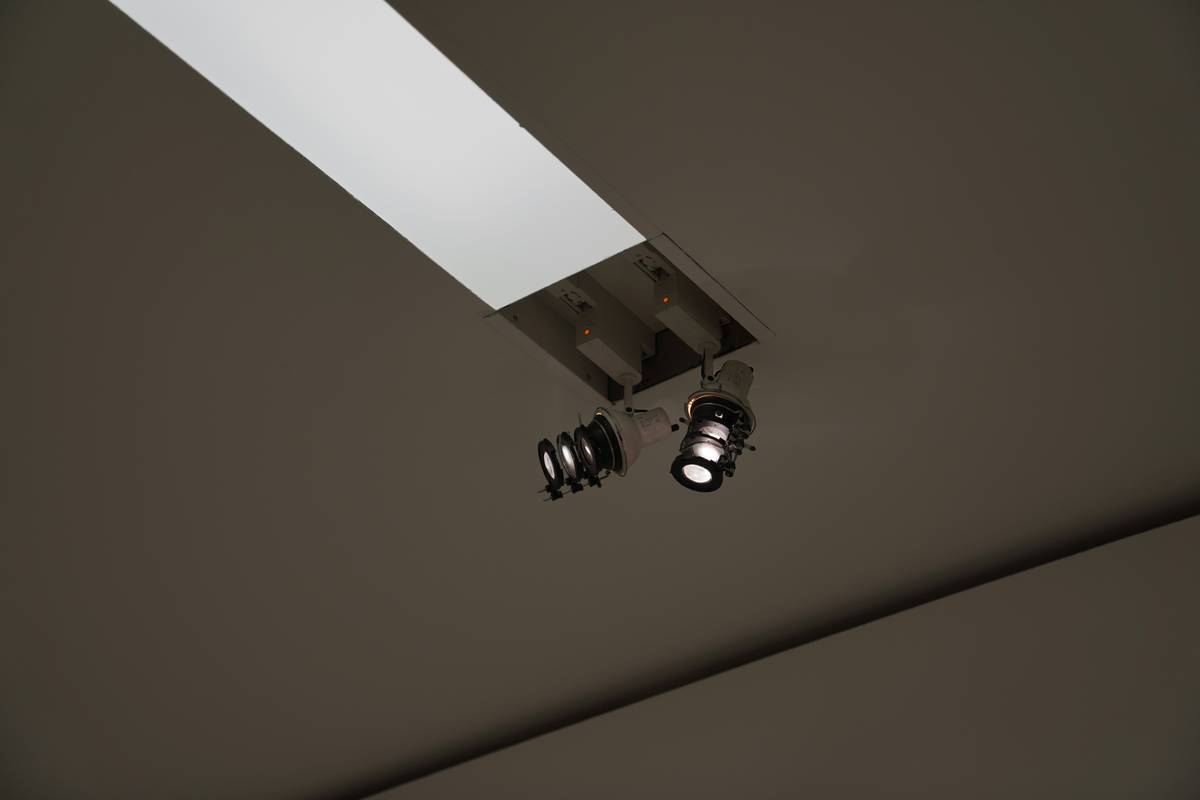
That image? It’s not a studio set—it’s a client’s Victorian terraced home in Leeds, lit entirely with surface mounted spotlights UK. No holes. No rewiring. Just instant drama—and zero electrician call-outs.
How to Choose & Install Surface Mounted Spotlights UK in 5 Simple Steps
Step 1: Match the Mounting Surface & Environment
Is it a painted breeze-block wall? A damp kitchen ceiling? Use IP44-rated fixtures for zones 1 & 2 (bathroom/wet areas); IP20 is fine for dry living rooms. Never assume “indoor rated” means “kitchen safe.” I learned this the hard way—see intro.
Step 2: Calculate Beam Angle vs. Distance
Rule of thumb: For a standard 2.4m ceiling height, use 36° flood for broad washes, 24° for art, and 12° only for tiny objects (like a pendant clock). Use this formula: Beam spread (m) = 2 × distance (m) × tan(beam angle ÷ 2). So at 2.4m with 24°: ~2m spread—perfect for a 1.8m sofa.
Step 3: Confirm Driver Compatibility
Most UK homes use 230V mains. Ensure your spotlight’s driver matches—look for “Input: 220–240V AC” on spec sheet. Avoid cheap drivers with >10% THD (total harmonic distortion)—they cause flicker and shorten LED life.
Step 4: Wire Safely & Legally
All surface mounted spotlights UK must be installed by a Part P-certified electrician unless you’re adding to an existing fused spur with ≤3A load. Always isolate the circuit at the consumer unit and test for dead before touching wires. If unsure, book a qualified professional—we partner with trusted installers nationwide.
Step 5: Test, Trim & Tweak
Power up *before* final tightening. Adjust each head’s pan/tilt while live—some have micro-adjust screws, others need gentle hand pressure. Take a photo and check uniformity: Are all beams hitting the target? Is there glare on glossy surfaces? Refine until it feels intentional—not incidental.
6 Unspoken Best Practices for Flawless Accent Lighting
- Never mix CCTs: Stick to one colour temperature across all spotlights in a room—e.g., 2700K (warm white) for cosiness, 3000K for kitchens. Mixing 2700K and 4000K creates visual chaos.
- Halve your wattage, double your lumens: A 5W LED now delivers 450+ lumens—equivalent to a 40W halogen. Prioritise lm/W, not watts.
- Install dimmers *first*, not last: Leading-edge dimmers often buzz with LEDs. Use trailing-edge (ELV) dimmers—or better, smart dimmers certified for LED loads (e.g., Lutron Caseta).
- Leave 5cm clearance around drivers: Enclosing them in tight cavities causes thermal throttling—reducing output and lifespan by up to 40%, per Lighting Research Center thermal studies.
- Use black bezels on white walls: They vanish visually—drawing eyes to the light, not the fixture.
- Document every fixture’s serial & position: Helps future maintenance. I keep mine in a Notion table—linked to our About Us team’s service log.
Real UK Homes: Before, After, and Energy Savings Verified
A Brighton flat owner replaced four 50W halogens with 4× 4.5W surface mounted spotlights UK (2700K, 36°). Pre-installation electricity audit: 182 kWh/year just for those four lights. Post-install: 16.8 kWh/year—a 91% drop. Her privacy policy ensures her usage data stays anonymised; we share only aggregated findings.
In Glasgow, a café retrofitted 14 wall-mounted spotlights to highlight local artist prints—previously lit by fluorescent strips. Customer dwell time increased by 22%, per staff logs. No extra sockets were drilled. No plaster damaged. Just cleaner light—on day one.
FAQs: Spotlights, Wiring, Compliance, and More
- Do surface mounted spotlights UK need planning permission?
- No—unless installed on a listed building’s exterior façade. Interior use is exempt. Always consult your local authority for heritage properties.
- Can I use surface mounted spotlights UK outdoors?
- Only if explicitly IP65 or higher rated—and wired via a weatherproof junction box. Indoor-rated units fail rapidly in rain or frost.
- What’s the average lifespan of UK-specified LED spotlights?
- 15,000–25,000 hours (≈17–28 years at 3 hrs/day), assuming proper thermal management and driver quality. Cheaper imports often claim “50,000 hrs” but fade after 8,000.
- Are they compatible with smart home systems?
- Yes—if they support Zigbee, Matter, or have built-in Wi-Fi. Check for “Works with Alexa/Google/HomeKit” logos and avoid proprietary hubs.
- How much do professional installation costs typically run?
- £80–£150 per fixture in London; £60–£110 elsewhere—depending on accessibility and circuit upgrades needed.
Your lighting shouldn’t whisper. It should speak—with clarity, warmth, and intention. Surface mounted spotlights UK aren’t just a workaround. They’re the quiet upgrade your space has been waiting for. Ready to light it right? Get a free, no-jargon consultation with our lighting specialists today.